Know the Rules Before You Touch a Screwdriver

Before any repair, learn your lease, note local regulations, and clarify boundaries with your landlord. Many apartments allow minor patching, bulb replacements, or tightening screws, but paint changes or plumbing modifications typically require permission. Document your intentions in writing, ask for product preferences, and confirm expectations about restoring original conditions. A ten-minute email can save hundreds in deposit deductions and sets a cooperative tone that makes approvals easier when you genuinely need them.

Micro Patching That Disappears

For pinholes, use lightweight spackle on a fingertip or small putty knife, pressing gently and feathering outward. Once dry, lightly sand with extra-fine grit and dust off with a microfiber cloth. Spot-prime to prevent flashing, then dab matching paint using a foam brush or small roller. Avoid thick globs that create raised islands under bright light. Done patiently, these tiny fixes evaporate visually and protect your deposit from avoidable “wall repair” line items.

Touch-Up Paint Without Violations

If you have the original paint code, verify finish type and sheen before buying. Test a tiny area behind a door, let it dry fully, and evaluate under daylight and artificial light. When in doubt, request approval for touch-ups. If you cannot match perfectly, consider cleaning marks with a gentle degreaser or melamine sponge first. Overpainting entire sections without permission may count as unauthorized alteration, even if your intentions are good and the walls look fresh.

Decor That Leaves No Trace

Use removable hooks rated for your item’s weight, and clean the surface before sticking to maximize safe adhesion. Prefer rail systems or tension rods for curtains and art displays. When removing, follow the manufacturer’s pull-tab instructions slowly. If paint peels, stop, warm gently with a hair dryer, and continue carefully. Always record results with photos for your maintenance log. Thoughtful choices keep creativity alive while guarding your wallet when the inspection finally arrives.

Fixtures and Hardware That Quietly Behave

Squeaky hinges, wobbly towel bars, and loose cabinet pulls draw attention during walkthroughs. A few gentle, reversible tweaks make daily life calmer and move-out reports friendlier. Learn to tighten with the correct screwdriver, lubricate hinges without staining, and install felt pads that prevent door and drawer impacts. Avoid over-torquing, which strips screws or cracks particle board. Small routine care adds up to a space that feels solid, cared for, and impressively low-maintenance.

Stop Squeaks and Slams

Quiet hinges with a drop of silicone-based lubricant applied precisely to the pin, wiping excess immediately to avoid drips. Add felt pads behind frames and door corners to reduce impact marks. Install affordable doorstops where needed, using adhesive styles if drilling is prohibited. Test quietly at night to catch lingering noises. A peaceful apartment suggests ongoing care, reassuring inspectors that wear is minimal and intentional, not neglected, rushed, or masked by last-minute fixes.

Tighten, Level, Align

Use the right driver head to tighten cabinet pulls and handles without stripping screws. Re-seat wobbly towel bars by tightening set screws and swapping in correctly sized anchors only with permission. Level leaning shelves and adjust fridge feet to stop vibrations that scuff floors. Keep fasteners organized in labeled bags if anything is temporarily removed. These refinements signal consistent upkeep, reducing arguments over “excessive wear” that sometimes appear during hurried final inspections.

Plumbing Quick Saves That Don’t Cross the Line

Slow drains and running toilets are common, but you can help without risking expensive mistakes. Use enzyme cleaners, hair snakes, and proper plungers, avoiding harsh chemicals that damage pipes and fixtures. Reseat toilet flappers only if you understand the mechanism, or ask for help immediately. Report leaks early with photos and clear descriptions. Protect cabinets with trays beneath sinks and keep silicone caulk intact. Calm, preventative habits keep water where it belongs and deductions off your bill.

01

Clear a Slow Drain Safely

Remove hair from shower or sink drains using a plastic barbed tool, twisting gently to capture strands without scratching. Flush with hot water, then apply an enzyme-based cleaner overnight to digest organic buildup. Skip corrosive chemicals that stain enamel and eat seals. Keep a mesh drain screen in place to prevent recurring problems. Document improvements with before-and-after photos. A simple routine avoids service calls and demonstrates responsible stewardship when maintenance reviews your apartment’s condition later.

02

Quiet a Running Toilet

Lift the tank lid carefully and check that the chain isn’t kinked and the flapper seats fully. If allowed, shorten the chain one link to stop partial seals. Verify water level matches the marked line. Avoid aggressive adjustments that bend fill valves. If the problem persists, report promptly to prevent wasted water charges. Mention your troubleshooting steps politely in your message. Clear, calm communication plus light, responsible action typically earns praise, not penalties, on inspection day.

03

Water Leaks: Act, Then Report

At the first sign of moisture under a sink or around a baseboard, place a towel, turn off local shutoff valves if accessible, and take photos. Do not disassemble plumbing. Send a timestamped message with details and request a repair window. Keep cabinet contents elevated until the area is dry, protecting finishes from warping. Early action protects your belongings and the property, and inspectors often note that careful prevention avoided a larger, costlier incident.

Brighter Rooms, Zero Damage

Swap in high-quality LED bulbs that match existing color temperature for a cohesive look. Wipe sockets gently with a dry cloth to remove dust, and secure loose shades to prevent vibration squeaks. Avoid over-wattage that overheats fixtures. If a cover is cracked, request a replacement rather than improvising. Good light hides nothing, and that transparency works in your favor by showcasing clean surfaces and careful upkeep, not shadows that spark suspicion during final walkthroughs.

Safe Outlet and GFCI Habits

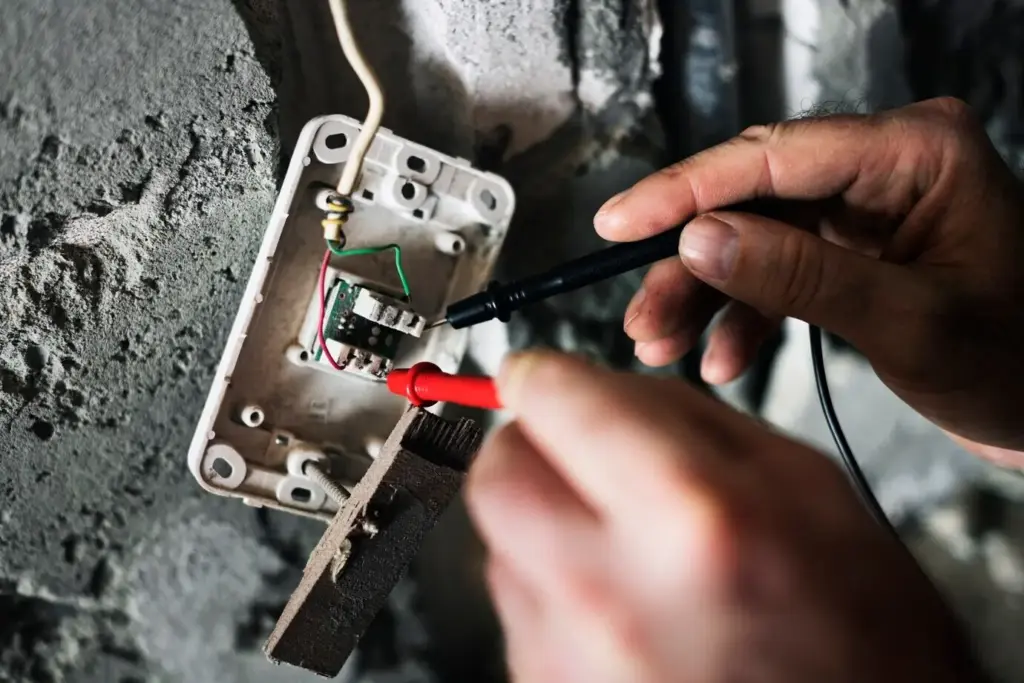
Test GFCI outlets monthly using the built-in buttons, then reset. Do not open outlet covers or attempt wiring changes. If something feels warm or smells odd, unplug and report immediately with a short video describing symptoms. Use surge protectors for sensitive electronics and route cables with adhesive clips to avoid scuffs. Clear, documented vigilance shows you’re safety-minded, discouraging assumptions that mysterious marks or burns stem from misuse rather than promptly reported, properly handled issues.

Power Out? Smart Troubleshooting

Check if neighbors are affected, then verify breakers, GFCIs, and power strips. Identify which circuits power which rooms and label gently with removable tape if permitted. Record what you tried and outcomes before contacting management. Never pry panels or reset main service. Calm updates with timestamps help maintenance prioritize and resolve issues quickly. Organized reporting communicates respect and can influence how managers view your overall care when deposit decisions arrive later.

Floors, Rugs, and Move-Out Evidence

Floors reveal daily habits, so prevention is everything. Add felt pads to furniture feet, use breathable rug pads on sealed wood, and place washable runners in high-traffic zones. Clean spills immediately with neutral pH solutions. Treat minor scratches with approved touch-up markers only if allowed. Photograph preexisting gouges and protect soft vinyl from chair casters. During move-out, a calm, consistent floor tells a story of respect, making deductions for “excessive wear” much harder to justify.

Photo and Video Protocol

Capture wide shots for context, then close-ups with a coin or ruler for scale. Record short, steady video panning slowly under daylight and evening light. Rename files with room, item, and date. Store in the cloud and share view-only links when needed. Visual records keep conversations factual and brief, preventing guesswork that sometimes turns into charges. Clarity calms everyone and underscoring your calm diligence typically leads to more reasonable outcomes.

Receipts, Labels, and Logs

Save receipts for consumables and tools, and label products you used, including color codes, sheen, and batch numbers where applicable. Maintain a small log of dates, actions, and approvals. This silent ledger demonstrates responsibility and helps new tenants or maintenance if issues recur. The more transparent your record, the easier it is to show that fixes were appropriate, reversible, and respectful, which makes end-of-lease conversations smoother and measurably kinder on your deposit.

Polite, Professional Messages

Write short, clear emails that state the issue, include photos, list attempted safe steps, and ask for guidance or approval by a reasonable date. Thank staff for their help and confirm any decisions in writing. Courtesy earns goodwill, and goodwill often turns gray areas into cooperative resolutions. Many tenants underestimate how tone shapes outcomes; your calm, precise communication can be the quiet superpower that protects your wallet while keeping relationships warm and responsive.

Documentation That Wins Deposits

Organization turns good intentions into convincing proof. Build a simple folder with move-in videos, maintenance emails, before-and-after photos, product receipts, and brief notes. Label files by room and date. During move-out, share a calm summary of positive changes and repairs handled properly or professionally. Thoughtful transparency invites fair assessments and encourages friendly cooperation. People remember considerate tenants, and that memory often shows up when final numbers are calculated and returned.

Consumables You’ll Actually Use

Choose a quality spackle that sands smoothly, primer that blocks flashing, and paint sample pots labeled with the room and finish. Keep extra felt pads, door bumpers, and adhesive cord clips for tidy routing. Pick enzyme cleaners for drains and neutral pH options for floors. These everyday supplies vanish problems before they grow, earning you serenity now and favorable impressions later. Consistency, not intensity, is the hidden engine of a deposit-friendly home.

Tools That Protect Surfaces

A precision screwdriver set, soft putty knife, microfiber rags, and non-marring pry tools will carry you through most tasks without scratches. A stud finder prevents risky anchors, and a small level keeps wall decor straight. Use silicone lubricant sparingly to avoid drips and stains. Avoid aggressive solvents or heavy-duty adhesives unless written permission is granted. Respectful tools produce respectful results, which is exactly what inspectors reward when they evaluate your space with fresh eyes.
Lavirunextopalrio
Privacy Overview

This website uses cookies so that we can provide you with the best user experience possible. Cookie information is stored in your browser and performs functions such as recognising you when you return to our website and helping our team to understand which sections of the website you find most interesting and useful.